
If you’re shocked anti-tourism sentiment in Europe has gotten to the point of tourists getting attacked by locals with waterguns in Barcelona, and Venice has enacted a full-on paywall on day-trippers, then you’ll love this European city:
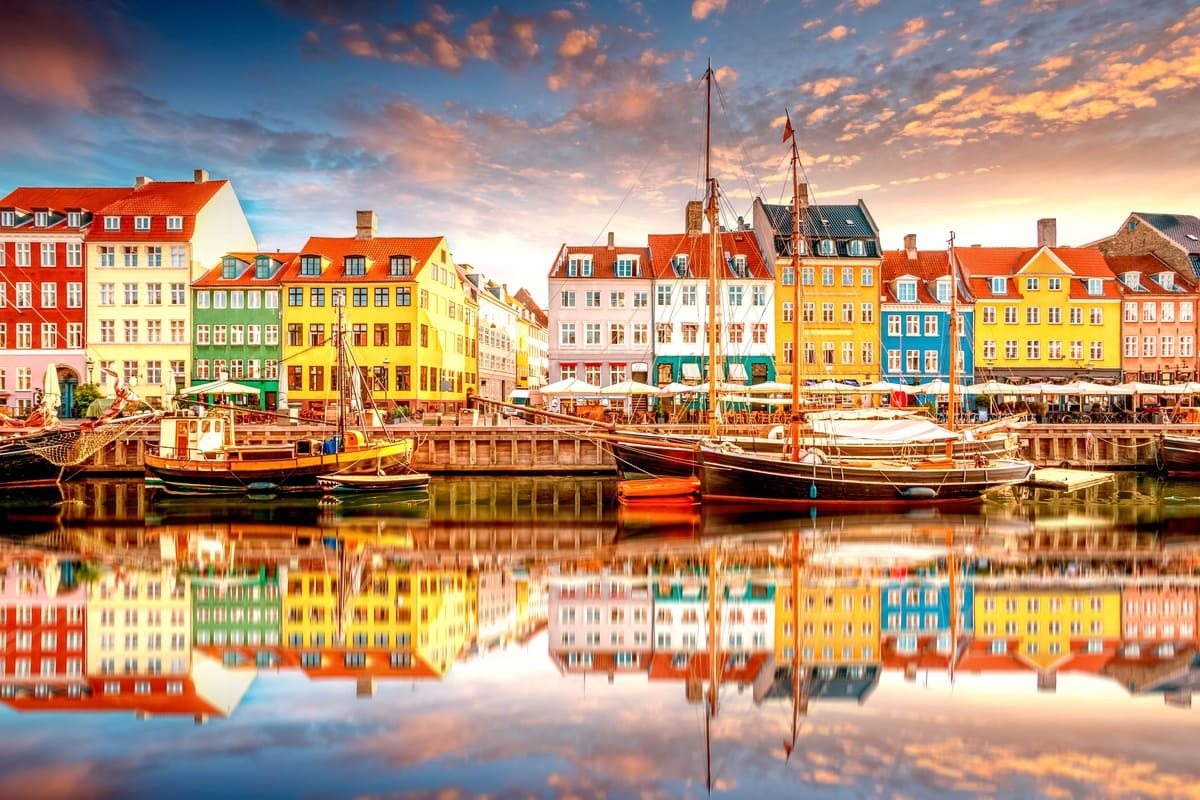
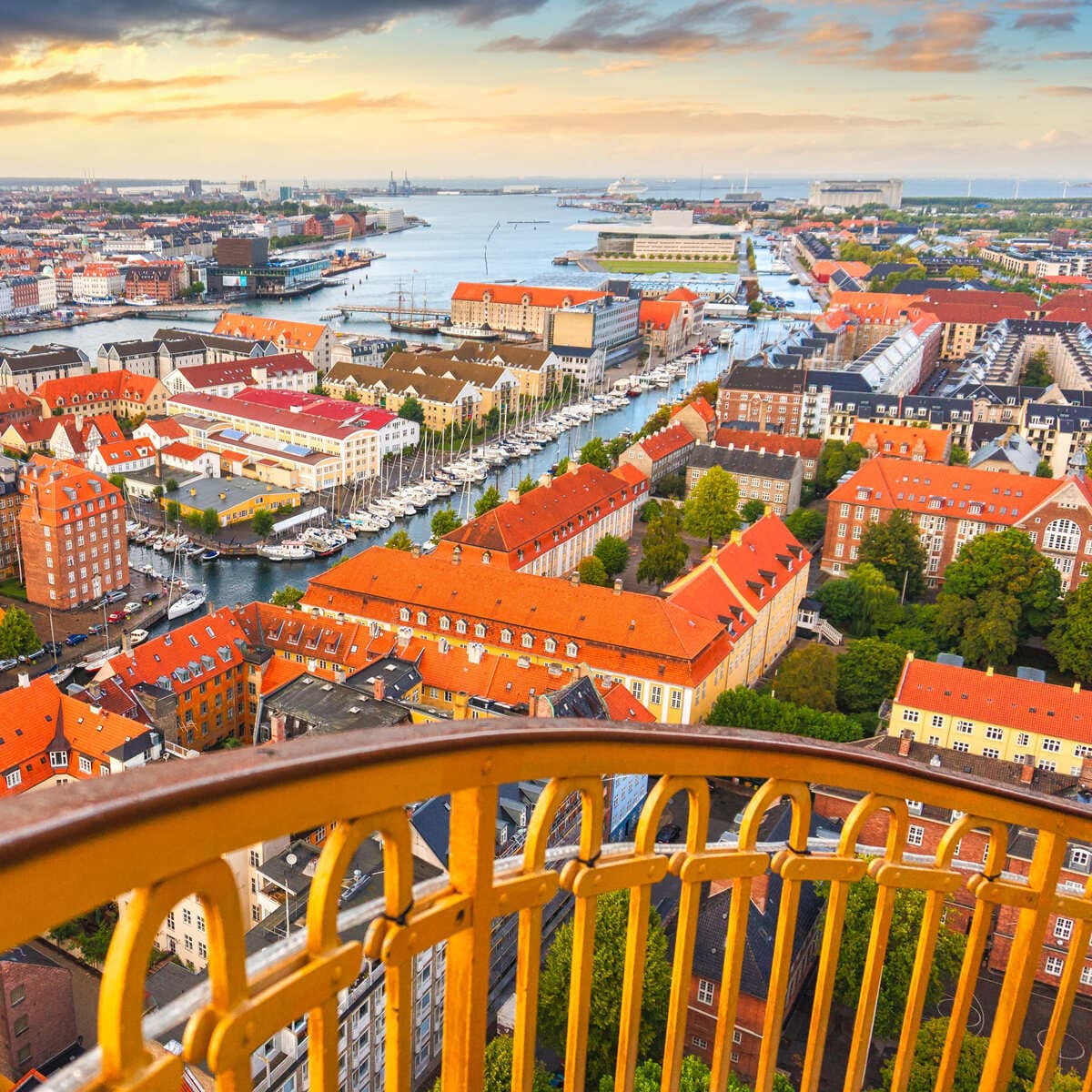
With a picture-perfect harbor, lined with colorful 17th-century façades, a rich history spanning the Viking and royal periods, and a café scene that’s unrivaled on the other side of the pond, Copenhagen is still very much welcoming tourists.
Oh, and if you’ve grown somewhat tired of walking past a ‘Go Home’ graffiti tag every few steps, there’s none of that in the laid-back capital of Denmark:
Americans Are Now Copenhagen’s Most Prized Guests
Americans are now the clearest drivers of CPH’s tourism growth.
In the first six months of 2026 alone, U.S. overnight stays in Denmark rose 11% year-on-year, compared to an already record-breaking 2025.
More specifically for Copenhagen, the main destination in the archipelagic country, U.S. travelers became the largest foreign tourism market during the entire first half of the year.
According to VisitDenmark, the country’s strong image abroad, Copenhagen’s reputation as a safe, well-functioning destination, and the growing number of direct flights have all helped drive the American boom.
And that flight connectivity is no joke.
Copenhagen is currently linked nonstop to 11 Statesde hubs through SAS, Delta and American Airlines: Atlanta, Boston, Chicago, Los Angeles, Miami, New York-JFK, Philadelphia, San Francisco, Seattle, Washington-Dulles, and Minneapolis-St. Paul.
That being said, the mere fact it looks great in pictures, and it’s relatively easy to get to aren’t enough of an explanation.
What’s Behind Copenhagen’s Record-Breaking Tourism?
Copenhagen is one of Europe’s most culturally distinct, and ridiculously photogenic capital cities. In fact, some say it’s Amsterdam’s cleaner, better-behaved Scandinavian sister, without quite as much of the stag-do chaos.
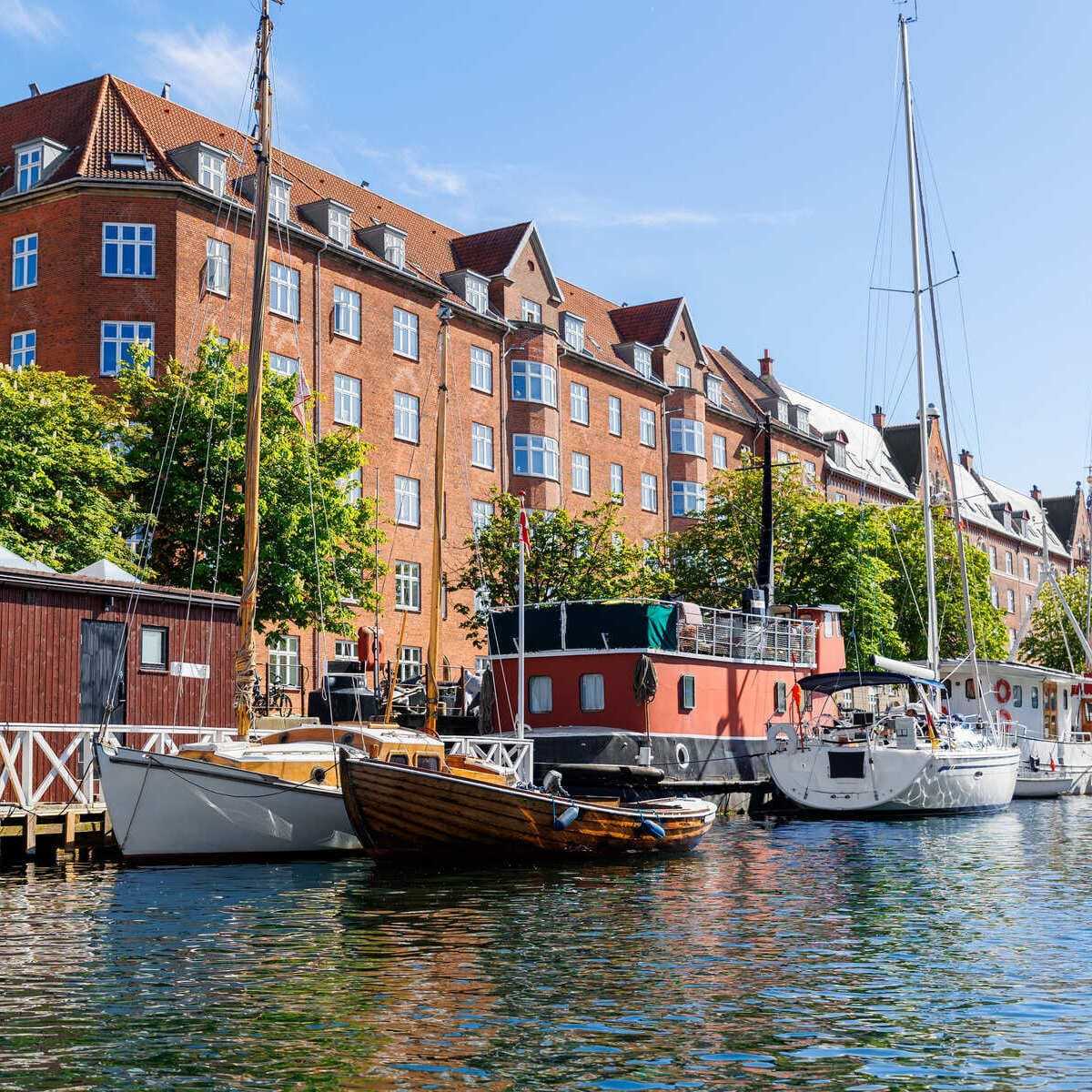
You’ve probably seen hundreds of pictures of its Instagram-ready Nyhavn district online: a 17th-century row of slender, brightly-painted buildings lining a boat-filled canal.
It’s indeed as gorgeous as the pictures suggest, and if that’s the only thing you know Copenhagen for, you’re barely scratching the surface.
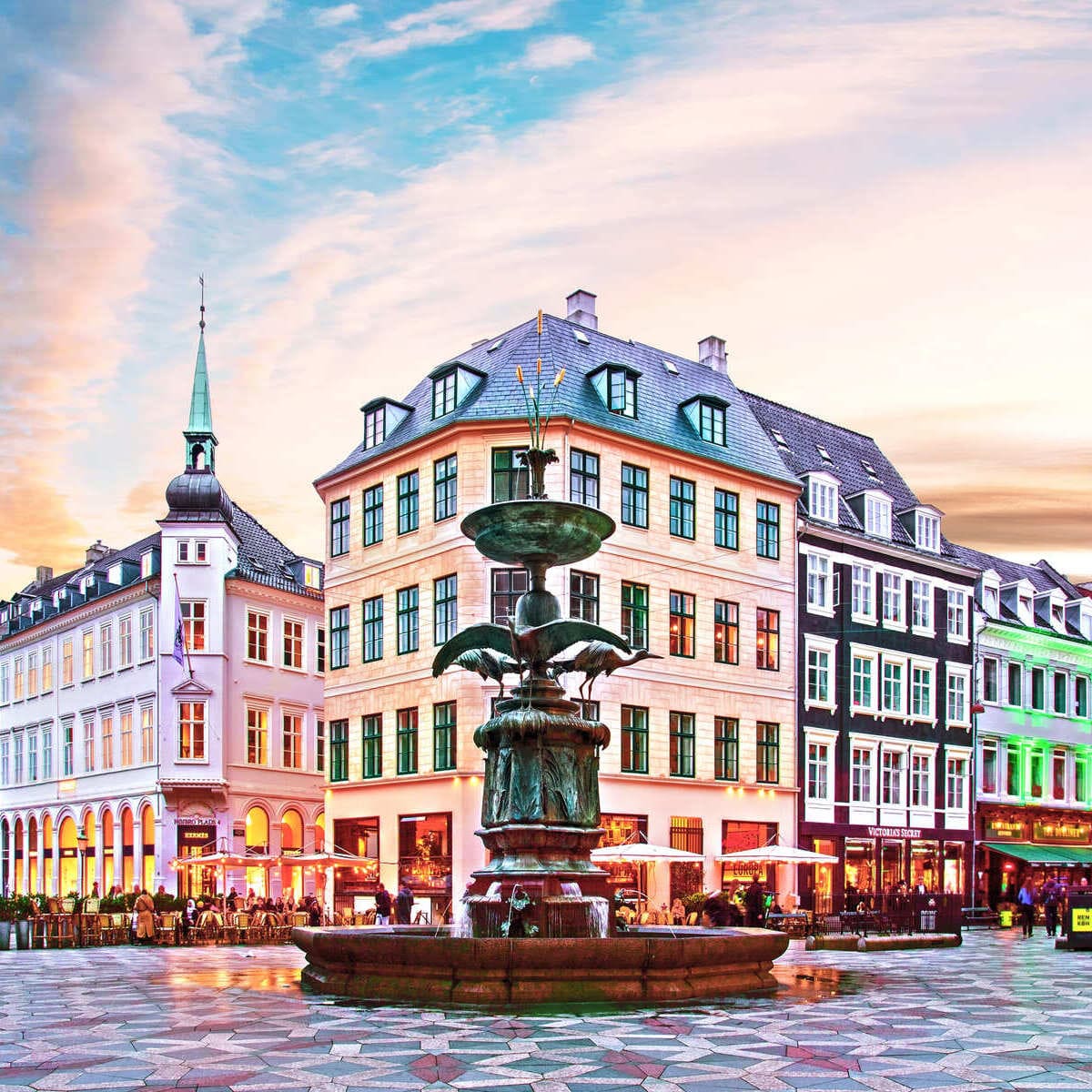
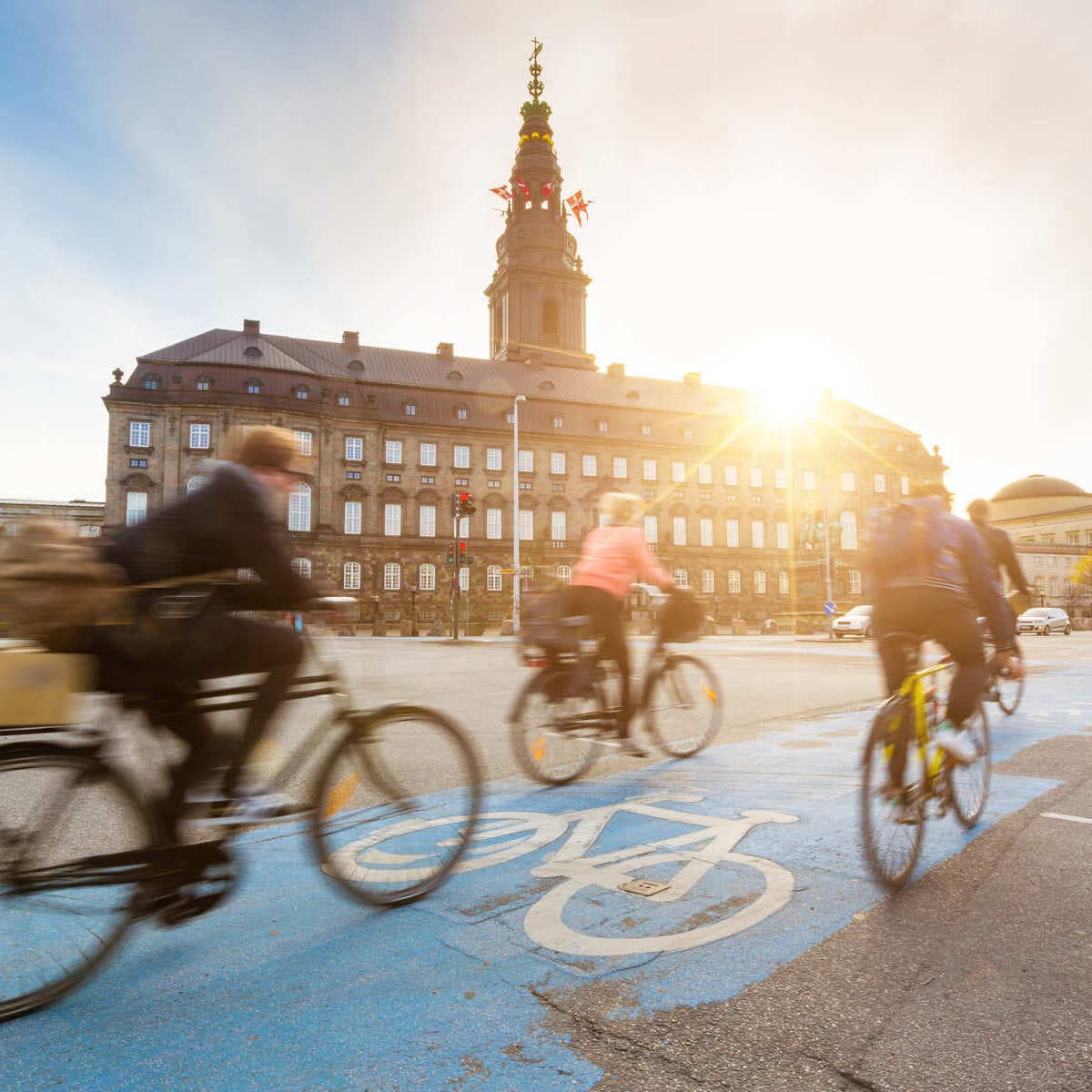
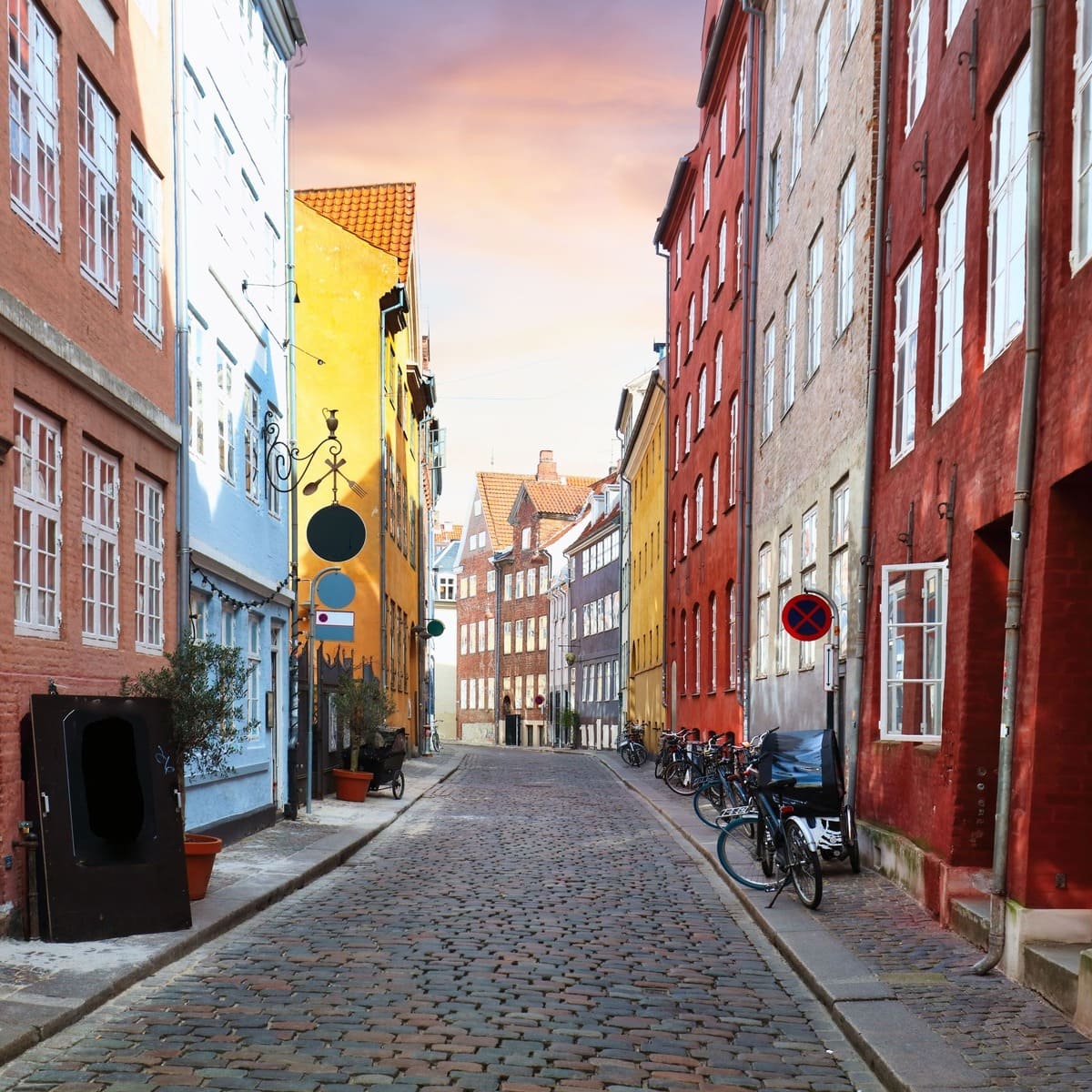
The entire Historic Center, largely shaped by centuries of Danish royal rule, is a maze of stone-paved roads shared by pedestrians, an army of cyclists, and the occasional trams, running alongside narrow waterways spanned by pretty little bridges.
Europe just as you’ve been longing for it.
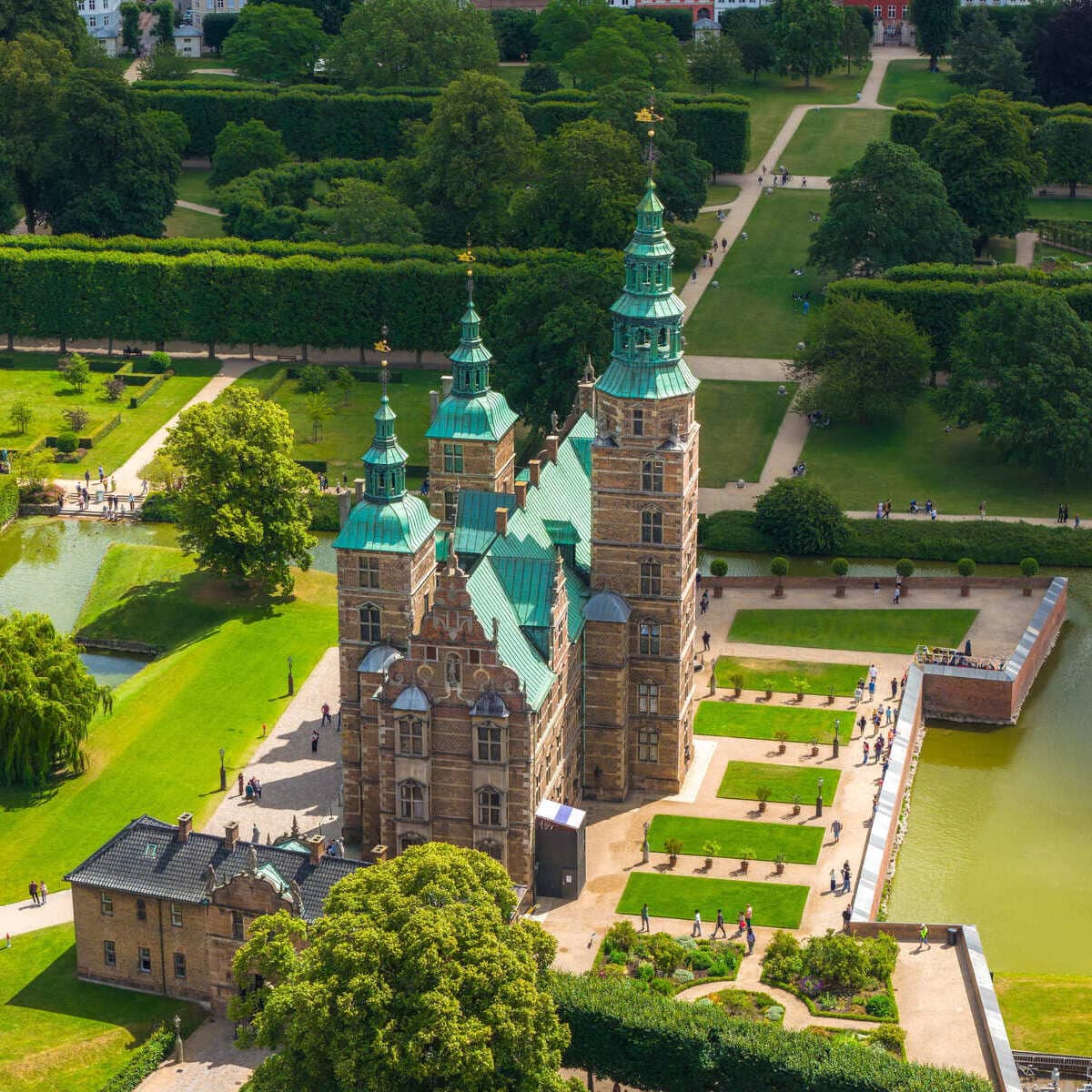
Rosenborg Castle is a Renaissance beaut right in the center of town, with red-brick walls, fairytale spires, and a water-filled moat, backed by the sprawling King’s Garden, fringed by colorful flower beds.
It feels like a full-on, bucolic day trip into a fairytale land, except you’re still in central Copenhagen.
Keep venturing north toward Østerbro, and you’ll reach yet another stunner: Kastellet, a 17th-century military citadel built into an enormous five-pointed star, completely encircled by a water-filled moat.
It’s one of Northern Europe’s best-preserved star fortresses, and it’s a mere 5-minute walk from Copenhagen’s tiniest, yet most iconic selfie spot:
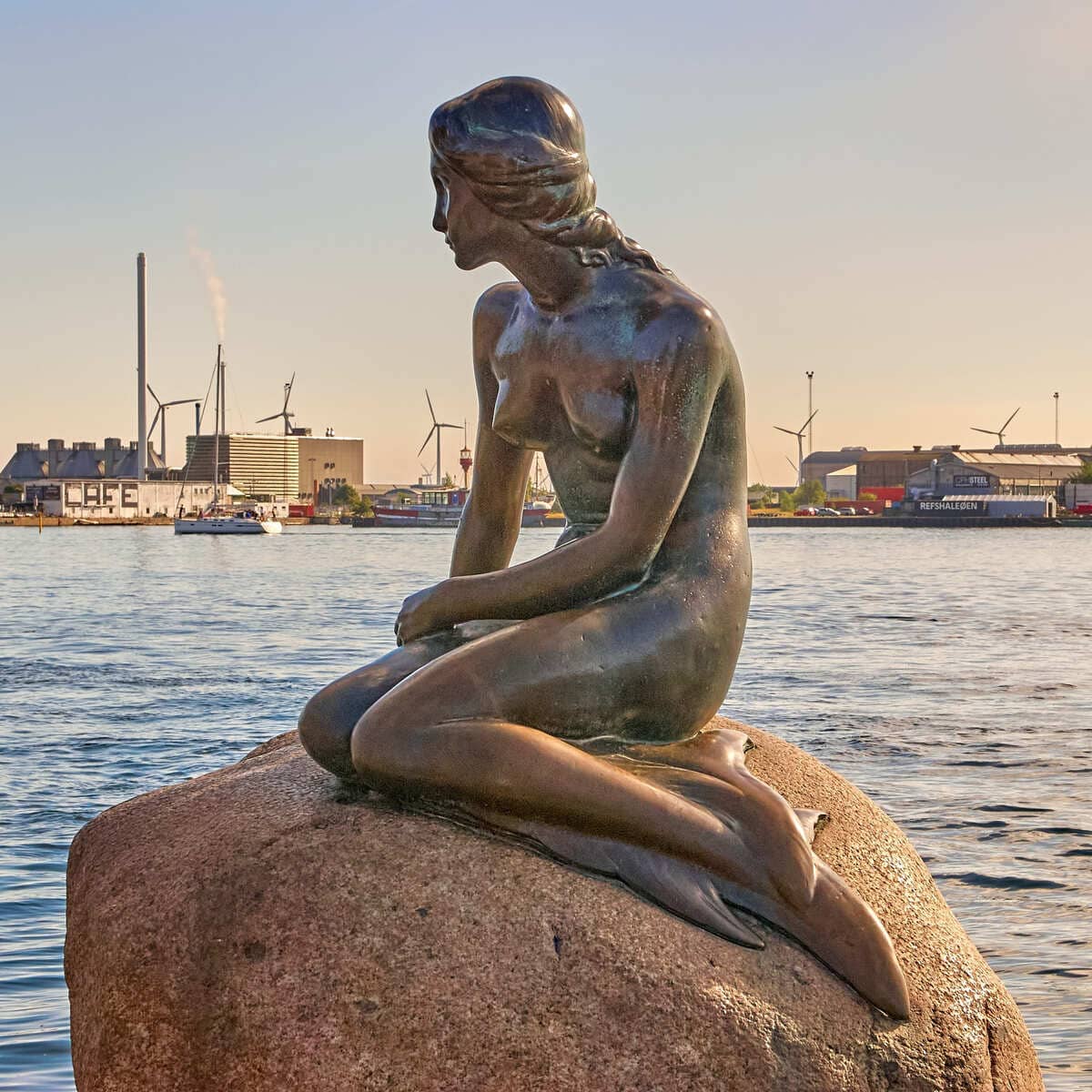
The Little Mermaid, a bronze statue commemorating Denmark’s most famous fairytale writer, Hans Christian Andersen, and depicting his tragic little sea maiden sitting on a rock, gazing out towards Copenhagen’s harbor.
If you’re flying to Europe this year and you hold a U.S. passport, travel rules for Americans have changed drastically since 2025.
You are now required to register biometric data under Europe’s Entry/Exit System when crossing an external Schengen border, and soon enough, you’ll need a travel authorization to fly there in the first place.
Don’t get turned away at the border: use the Entry Requirement Checker to stay up to date with the fast-changing regulations.
Copenhagen Beyond The World-Famous Sights
That’s the postcard, checklist Copenhagen.
If you’re wondering what it is about this notoriously-rainy Nordic capital that keeps Americans coming back for more, you’ll have to look beyond the storybook architecture—which is worth the flight there alone, either way.
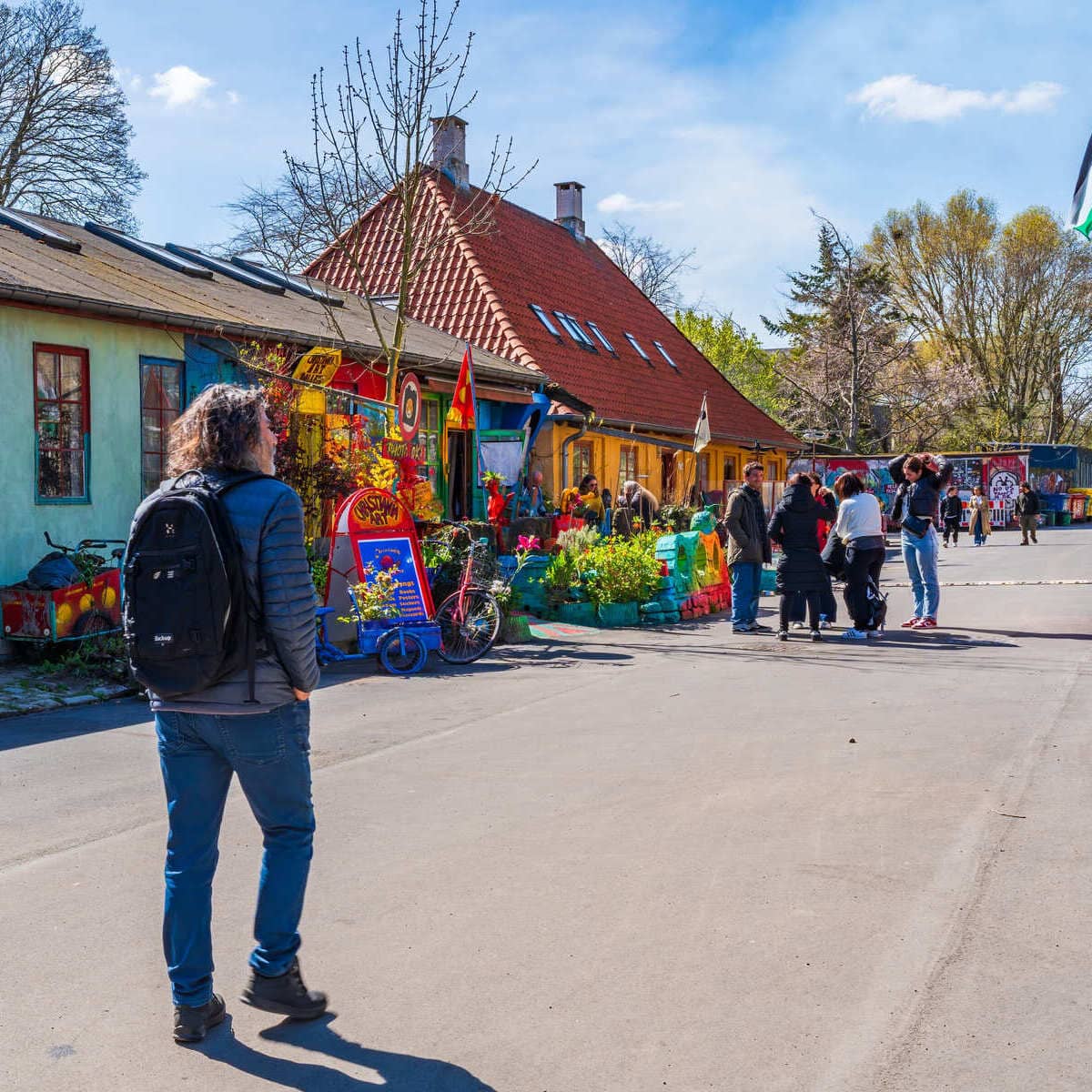
If you love Amsterdam’s infamous Red Light District, or you had the best night of your life in Paris’ bar-dotted Le Marais, wait until you wander into hip-friendly Christiania.
There’s no rows of sex workers beckoning at the door under red neon lights here, but Copenhagen’s legendary free town is a repurposed former military barrack field packed with art-splattered walls, cafés tucked along car-free paths, music venues, workshops, handmade homes, and boutique shops slinging everything from quirky trinkets to recycled clothes.
The most fascinating thing, other than the fact it’s long been known for its anything-goes, rebellious vein?
Christiania operates almost like an independent community within the city, with its own locally-agreed rules and conventions. Something like Vilnius’ countercultural Užupis, just with pricier pints of beer.
Although it’s very much a part of Copenhagen, and Danish law absolutely applies, the self-governing, bohemian spirit and alternative way of life make it feel like an entire libertarian world of its own.
Note From The Editor
Just one sec! If you enjoy reading great human-written articles, the best way to see a few more is to follow us on Google so we become one of your preferred websites. Thank you so much for reading. Now back to the story!
Copenhagen Sits Among Europe’s Safest Capitals
Now, on the safety front.


Copenhagen is one of a handful of EU capitals left where the main adjustement required of Americans is remembering to look both ways before stepping into a busy cycle lane.
There aren’t really any neighborhoods to be avoided, and the rampant ghettoization that’s plagued suburban parts of Paris and London aren’t a thing here.
Violent crime affecting tourists is uncommon, and the city feels remarkably peaceful, even after dark.
Though that remains fairly uncommon, the only spots where you’re potentially likely to be pickpcoketed is around the Central Station, the City Hall Square, or the busy end of Strøget at night. Even then, those are relatively-rare occurances.
There is one caveat.
The U.S. Department of State currently lists Denmark as a Level 2 destination, advising Americans to exercise ‘increased caution’ due to terrorism.
That doesn’t mean Copenhagen is crime-ridden. Far from that. The main issue the Advisory is covering here, similarly to many European capitals, is the possibility of extremist attacks in public spaces.
Day-to-day precautions? Keep your belongings close in tourist crowds, and employ the usual awareness you’d use in any European capital. In other words, no leaving phones on alfresco table tops, or bags unattended.
On the Travel Off Path Traveler Safety Index, Copenhagen scores 82 out of 100, based on on-the-ground reports from recent visitors.
Best Café Culture In Europe?

Of course, there’s no discussing Copenhagen without bringing up its world-class café scene.
Speaking for myself, even though I’m not the biggest coffee snob myself, I could return every year for Espresso House’s salted caramel latte alone. I know, sue me.
Denmark doesn’t technically do fika— that’s a Swedish thing—but the Danes have their own way of contributing to the Scandinavian art of slowing the hell down: hygge.
That’s an untranslatable word for settling into a warm café with a book in hand, sipping your coffee, and periodically staring out the window between flipping through chapters and people-watching. Very hygge of you.

Or then, catching up with friends over pastries and spending the overcast afternoon playing board games while the rain lashes against the coffeeshop’s window. Peak hygge.
Espresso House is the obvious, everywhere-you-look Scandinavian coffee chain, and that doesn’t mean it’s to be avoided, not at all, but if you’re looking for something more local, head over to the minimalist, unassuming Juno the Bakery in Østerbro.
Their fluffy, twisted cardamom buns have basically reached cult status among Danes, and the neighborhood’s atmosphere, with leafy streets, handsome tonwhouses, and independnet shops is hard to beat, too.
How Actually Expensive Is Copenhagen?
Wondering how much a week-long stint in Copenhagen will cost you?
We guess you know at this point the Nordics are far from being one of Europe’s top playgrounds for budget breaks, and I’m not going to sit here and pretend Copenhagen can be done on a budget.
Unless you’re staying in hostels outside the center, and living off of Rema1000’s sandwich-and-drink deals, it won’t come for cheaper than $1,200–2,000.
Still, compared to the jump-scare that can be prices Norway and Iceland, Copenhagen sits closer to the realm of acceptable-levels of expensive, rather than sell-your-kidney levels.
Even though Denmark itself is not in the Eurozone—you’ll want to familiarize yourself with the Danish krone before getting here— the krone is kept extremely close to the euro through Denmark’s exchange-rate policy.
Average Prices In Copenhagen, Denmark This Fall
- Cinnamon bun or similar bakery pastry: around $6–8
- Cappuccino: around $7
- Half-liter draft beer: around $9
- Cheap kebab or shawarma lunch: around $15–20
- Main dish at an inexpensive restaurant: around $24–26
- 3-course meal at a mid-range restaurant: around $65–75 per person (excluding drinks)
- Single metro, bus, or train ticket in central Copenhagen: around $3.75
- 24-hour City Pass: around $15.50 (for unlimited travel in central Copenhagen and to and from the airport)
- Hostel dorm bed: from around $35–50 per night
- Budget private room: commonly around $125–140 per night
- Comfortable 3-star hotel: commonly around $160–200+ per night
Keeping it low-budget will often involve eating in restaurants farther outside the tourist center, grabbing bakery breakfasts rather than full sit-down brunches, and sojourning in hotels a handful of metro stops away from overpriced Nyhavn.
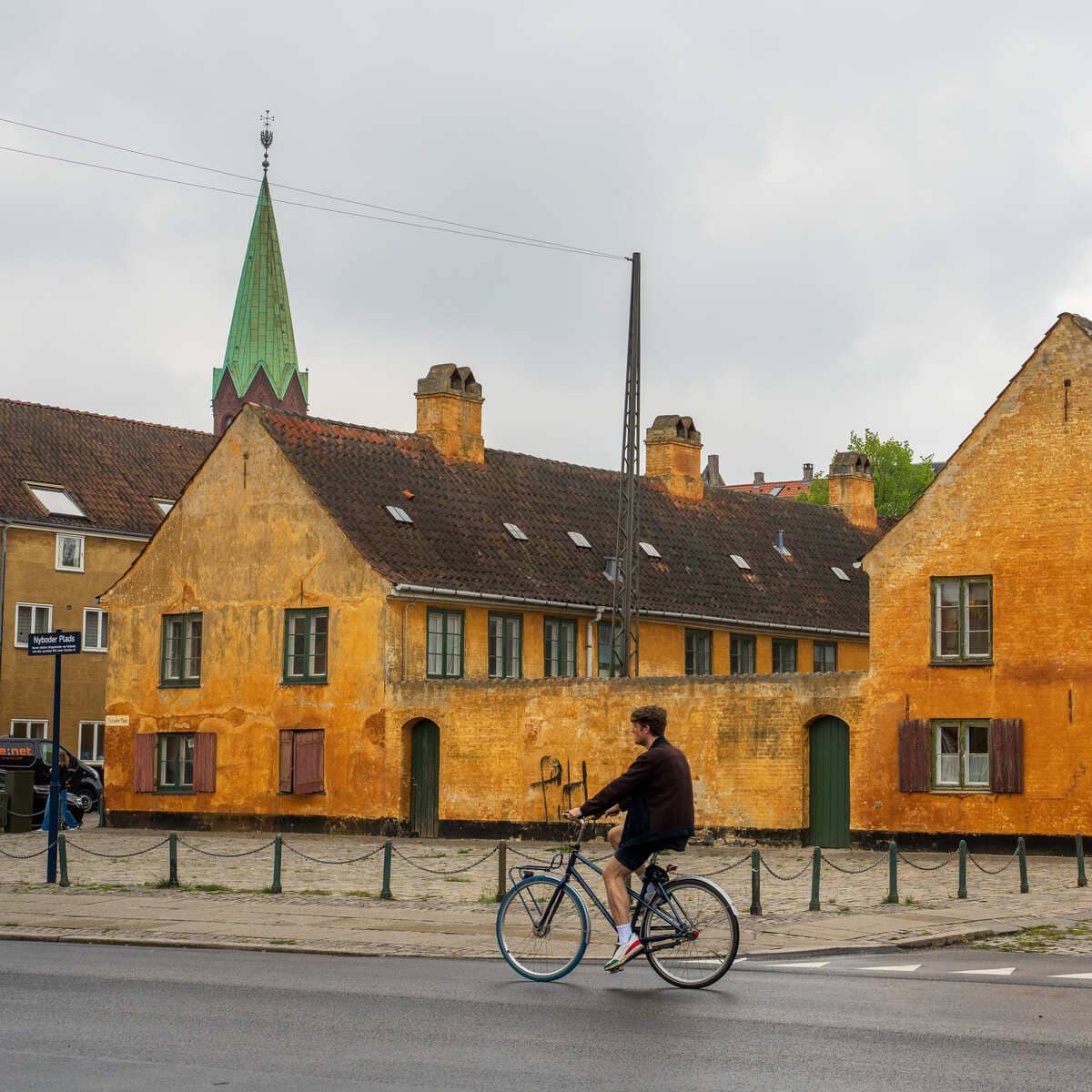
Amager is particularly handy for this, despite the bad reputation it’s earned among locals for being less-pretty, and less affluent than central areas.
It’s connected to central Copenhagen by metro, has plenty of comparatively-affordable accommodation, and depending on exactly where you stay, you can still be back around Kongens Nytorv and Nyhavn in 10–20 minutes.
Copenhagen As A Base For Multi-Country Euro Trips
Copenhagen is also a great base for kicking off a multi-country European adventure, or even exploring the largely overlooked nation of Denmark itself.
It sits on the eastern edge of Zealand, Denmark’s largest island, separated from southern Sweden by the narrow Øresund Strait.
And this is where Copenhagen gets ridiculously convenient.
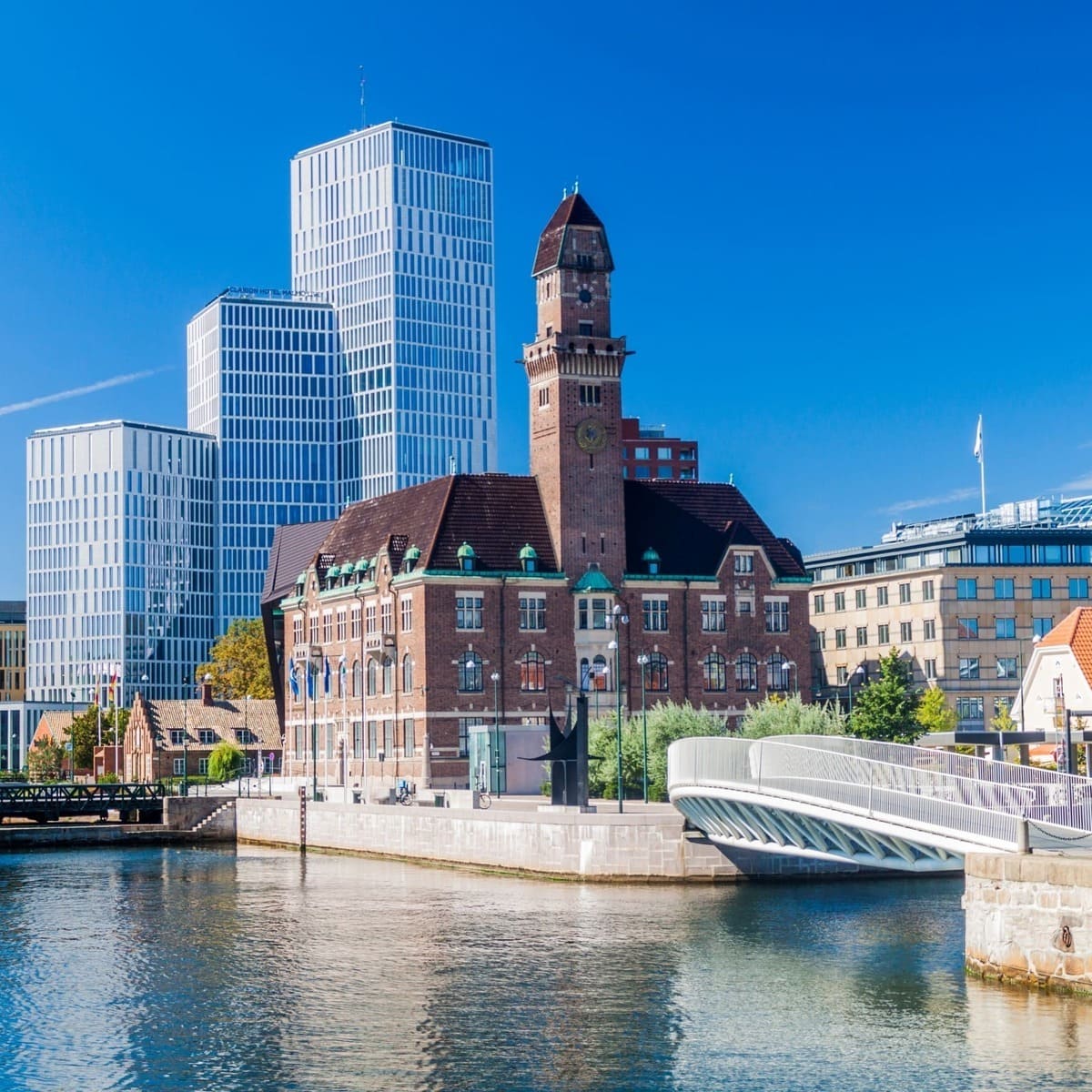
The Swedish city of Malmö is just 30 minutes by train from Copenhagen Central, with trains crossing the enormous Øresund Bridge straight into another country, no border control required ’cause this is Schengen area—though there may be occasional spot checks.
Here are a few of the most incredible places you can reach from Copenhagen in under 2 hours:
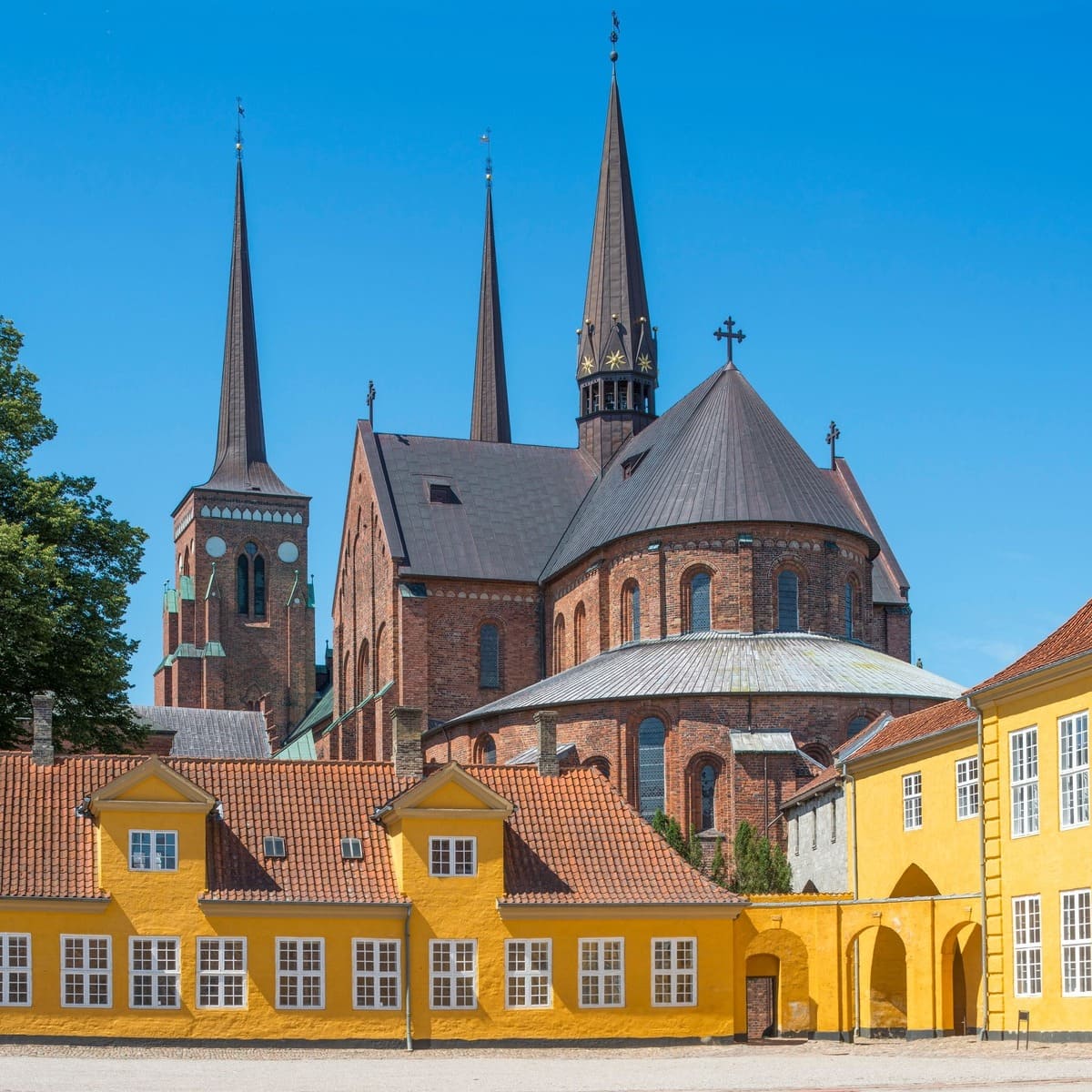
- Roskilde, Denmark—around 22 min by train. Home to a UNESCO-listed red-brick cathedral, where Danish monarchs are buried, and a Viking Ship Museum overlooking a rare Danish fjord.
- Malmö, Sweden—around 30 min by train. A lively Swedish city split between a charming medieval center dotted with colorful historic buildings and a vibrant, modern waterfront backed by glass-clad high-rises.
- Lund, Sweden—around 55 min by train. Smaller, more scenic, featuring a medieval center, a monumental Romanesque cathedral, and one of Scandinavia’s oldest universities.
- Hven, Sweden—around 50 min by boat. A tiny Swedish island traversed by biking trails and ringed by frozen-in-time fishing harbors.
- Helsingør, Denmark—around 55 min by train. A colorful harbor town famous for its impressive Renaissance Kronborg Castle, immortalized in Shakespeare’s Hamlet as Elsinor.
- Odense, Denmark—around 1h20 by train. The birthplace of Hans Christian Andersen, and a charming medieval settlement iwth cobbled streets and colorful townhouses.
Heading into mainland Europe after Denmark?
The German city of Hamburg is farther afield, yet still only around 4h35from Copenhagen, and you can easily get there on direct international trains leaving from København H.
There are up to 8 direct departures a day, and advance one-way tickets start at 289 DKK, or roughly $45.
17TH CENTURY
Nyhavn Harbor
Tap to Reveal
POSTCARD PERFECT
Wander the iconic canal lined with slender, brightly painted buildings and historic wooden ships right in the heart of the city.
Tap to Close
ROYAL HISTORY
Castles & Forts
Tap to Reveal
RENAISSANCE BEAUTY
Explore the water filled moat of Rosenborg Castle or walk the massive five pointed star fortress of Kastellet near the Little Mermaid.
Tap to Close
DANISH HYGGE
World Class Cafes
Tap to Reveal
THE ART OF SLOWING DOWN
Escape the rain in a cozy coffeeshop in Osterbro with a fluffy cardamom bun and experience authentic Scandinavian cafe culture.
Tap to Close
BOHEMIAN VIBE
Freetown Christiania
Tap to Reveal
ALTERNATIVE LIVING
Visit this legendary, self governing community packed with art splattered walls, handmade homes, and quirky boutique shops.
Tap to Close
EASY DAY TRIPS
Border Hopping
Tap to Reveal
SWEDEN IN 30 MINUTES
Take a quick train ride across the massive Oresund Bridge to explore Malmo, or visit ancient Viking ships in nearby Roskilde.
Tap to Close
Enter your email address to subscribe to Travel Off Path’s latest travel news, straight to your inbox
